

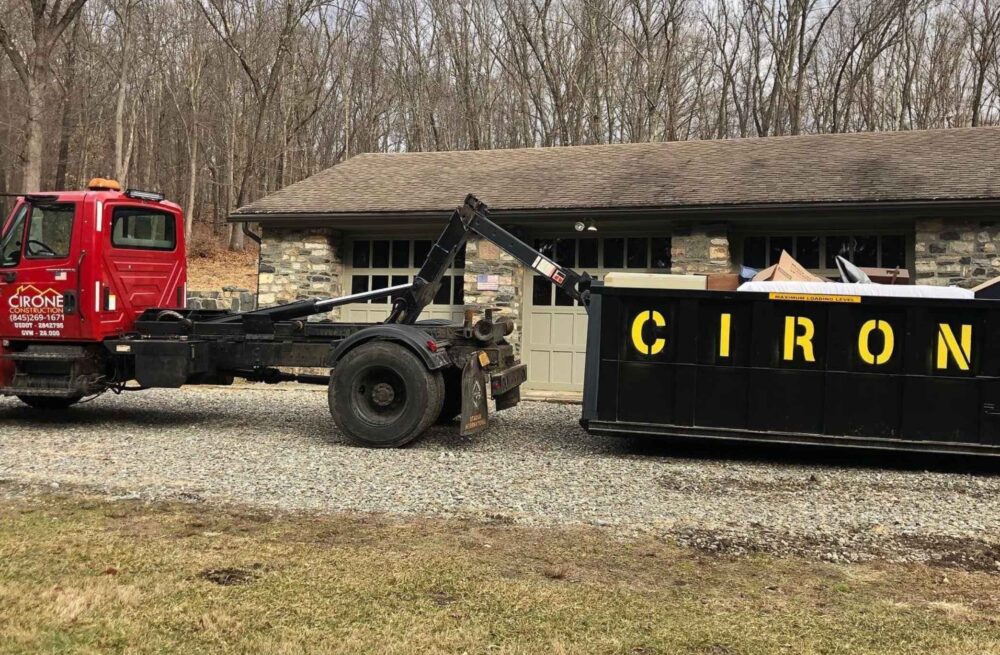
Selecting the Right Size Dumpster for Your Remodeling Project is one of the most vital planning steps you can take to ensure your home renovation runs smoothly, stays on schedule, and remains within budget. Whether you are tearing out outdated cabinetry, stripping down old drywall, or gutting an entire master suite, waste accumulates far faster than most property owners anticipate. Partnering with Cirone Construction guarantees you get the ideal roll-off container delivered directly to your job site, preventing dangerous waste piles and unnecessary extra costs.
To discuss your upcoming renovation plans or reserve a container today, call Cirone Construction at (845) 533-5262 or visit us online at https://cironeconstruction.com/.
Why Selecting the Right Size Dumpster for Your Remodeling Project Matters
When embarking on a home improvement effort, many homeowners focus heavily on design choices, material lead times, and contractor schedules. However, waste logistics directly impact your job site safety and total costs.
Proper container sizing provides several distinct advantages:
- Eliminates Double Handling: Throwing debris directly into a nearby container keeps your construction zone clear, reducing trips to local transfer stations and preventing double handling of dirty materials.
- Prevents Overage Surcharges: Renting a dumpster that is too small leads to overfilling, which creates road hazards for drivers and can trigger overage charges or require ordering a second container.
- Saves Driveway and Yard Space: Renting a container that is far larger than your actual project scope wastes driveway footprint and costs more money upfront than necessary.
- Enhances Site Safety: A designated container keeps sharp nails, broken glass, heavy tile, and hazardous debris safely contained away from family members, pets, and workers.
Key Container Sizes Available for Home Renovation Jobs
To make Selecting the Right Size Dumpster for Your Remodeling Project straightforward, it helps to understand standard roll-off capacities and the specific types of waste each container handles best.
8 to 12-Yard Containers: Small-Scale Upgrades
Small roll-off containers are ideal for compact residential projects with space constraints.
- Best Used For: Half-bath remodels, small powder room updates, single-room flooring tear-outs, or modest kitchen tile removal.
- Debris Types: Heavy, dense debris such as porcelain tile, subflooring, mortar, and small quantities of sheetrock.
- Advantage: Compact footprint that fits neatly into short driveways without obstructing garage access.
15 to 20-Yard Containers: The Remodeling Industry Workhorse
The 15 to 20-yard range is the most popular choice among contractors and DIY enthusiasts alike for mid-sized residential renovations.
- Best Used For: Full kitchen remodels, multi-room flooring removal, large master bathroom overhauls, and deck teardowns.
- Debris Types: Cabinetry, countertops, bath fixtures, framing timber, insulation, plaster, and carpet rolls.
- Advantage: Strikes a perfect balance between generous volumetric capacity and manageable driveway placement.
30 to 40-Yard Containers: Whole-Home & Structural Renovations
When your project involves comprehensive tear-downs or structural additions, large-capacity containers are essential.
- Best Used For: Whole-house gut renovations, major home additions, large-scale roof replacements, and multi-room drywall installations.
- Debris Types: Bulk construction timber, framing studs, exterior siding, multiple layers of roofing shingles, and extensive demolition scrap.
- Advantage: Provides massive storage volume so large crews can work continuously without waiting for mid-project swap-outs.
5 Factors to Consider When Selecting the Right Size Dumpster for Your Remodeling Project
Estimating the volume of debris generated during a demolition phase requires looking beyond room dimensions alone. Keep these core factors in mind when making your selection:
1. The Weight and Density of Construction Materials
Volumetric space is only half of the equation; weight is equally crucial. Materials like concrete, brick, plaster, stone counters, and ceramic tile add up in weight very quickly. High-density materials may require smaller or specially rated containers to ensure legal highway transportation limits are respected.
2. The Bulk and Volume of Cabinetry and Fixtures
Undemolished items take up immense space. Old kitchen cabinets, vanities, bath tubs, and built-in shelving trap large pockets of empty air unless smashed or broken down completely. Factor in whether your crew will break items down flat or toss them in whole.
3. Driveway and Access Clearances
Before finalizing your order, measure your drop-off zone. Consider overhead obstructions like low tree branches, power lines, and roof overhangs. A 30-yard dumpster requires significantly more vertical clearance during drop-off and pickup than an 8 or 10-yard bin.
4. Duration of the Renovation Workflow
If your renovation spans several weeks with multiple phases—such as initial demolition followed by drywall installation later on—you may benefit from a mid-sized dumpster for demo, followed by a quick swap-out for the finishing stages.
5. Local Permitting and Property Rules
If your driveway cannot accommodate a roll-off unit and the dumpster must sit on a public street shoulder, local municipal permits may be required. Checking local town rules ahead of time prevents delays on delivery day.
Proactive Tips for Loading Your Renovation Dumpster Efficiently
 Once your container arrives on site, loading it strategically helps you maximize available space and avoid paying for unnecessary extra pickups:
- Lay Heavy, Flat Debris First: Place sheetrock, plywood, doors, and long lumber flat along the bottom floor of the container to establish a stable base.
- Break Down Bulky Fixtures: Use a sledgehammer or pry bar to collapse kitchen cabinets, dressers, and wooden vanities into flat boards before loading.
- Fill Hollow Gaps: Fill hollow items like trash cans, sinks, or large crates with smaller scrap, tile pieces, or loose trash to eliminate wasted void space.
- Keep Load Level with Rim: Never stack debris higher than the top side-rails of the dumpster. Drivers must tarp the container securely before highway travel, and overfilled containers cannot be safely transported.
Common Questions Regarding Selecting the Right Size Dumpster for Your Remodeling Project
How do I know if my renovation debris will exceed the weight limit?
When you call our team at (845) 533-5262, describe the exact materials you plan to discard (e.g., plaster, tile, wood, or roofing). Our experienced staff will calculate estimated weight allowances and recommend the safest container size.
What happens if I choose a dumpster that turns out to be too small?
If your dumpster fills up before demo is complete, simply call us to schedule a swap-out service. We will haul away the full container and drop off a fresh, empty bin to keep your workers moving forward.
Can I mix different types of remodeling waste in one container?
Yes! General construction debris such as wood, drywall, insulation, siding, fixtures, and non-hazardous flooring can all be mixed in a standard roll-off container.
Selecting the Right Size Dumpster for Your Remodeling Project with Cirone Construction
Proper waste management is the foundation of every clean, safe, and successful home improvement job. By Selecting the Right Size Dumpster for Your Remodeling Project, you save money, protect your driveway, and keep your job site operating like a well-oiled machine.
At Cirone Construction, we bring years of direct excavation, demolition, and carting experience to every customer interaction. We deliver prompt, dependable roll-off dumpster services across the region with clear pricing and unbeatable local support.
Get your home transformation started on the right foot today:
- Brand: Cirone Construction
- Website: https://cironeconstruction.com/
- Phone: (845) 533-5262
Contact our local waste management team today to reserve your roll-off dumpster and get a customized quote for your renovation project!


